
Territory, Tourism, and Market Evolution Shape New Strategy as Valpolicella Celebrates Sustainability Milestone at Amarone Opera Prima in Verona.
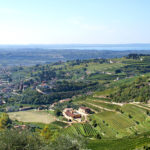
“Valpolicella has achieved a historic turning point in environmental stewardship, with certified sustainable practices now covering the majority of our vineyards for the first time,” said Christian Marchesini, President of the Valpolicella Wine Protection Consortium, at Amarone Opera Prima. The event unveiled the 2021 vintage while celebrating a significant sustainability achievement: 53% of the denomination’s vineyards are now certified, representing nearly 4,666 hectares across the region’s 8,600 total vineyard hectares. The event, which celebrated the launch of the 2021 vintage, also highlighted a major sustainability milestone: 53% of the denomination’s total vineyard area is now certified. This represents nearly 4,666 hectares out of the region’s total 8,600 vineyard hectares. The Valpolicella Wine Protection Consortium anchors Italy’s wine heritage, bringing together over 2,400 businesses across 19 municipalities in the province of Verona. This dynamic collective encompasses growers, winemakers, and bottlers who tend to 8,600 hectares of prestigious vineyards. With annual revenues exceeding 600 million euros, predominantly driven by Amarone’s success, the Consortium safeguards and champions the denomination’s interests both within Italy and abroad. Representing over 70% of the region’s production, it serves as the authoritative voice for one of Italy’s most distinguished wine regions.
The Future of Amarone: Sustainability and Resilience

The two-day event, hosted at the Gallerie Mercatali in Verona on January 31 and February 1, brought together 70 producers to present the new vintage. Consortium President Christian Marchesini emphasized sustainability’s dual role as both an environmental imperative and market advantage. “In an increasingly competitive landscape, Valpolicella is investing heavily in sustainability. It is a green asset for the territory. Still, also a market lever across several demand areas, from Northern Europe to North America, where it is perceived as a value-added factor,” he noted. The dramatic growth in certified sustainable viticulture reflects the region’s commitment to environmental stewardship. Voluntary SQNPI certification (National Quality System for Integrated Production), which promotes sustainable methods both in the vineyard and cellar, recorded growth of 47% in 2025 alone and 110% over the past three years. Of the certified area, 1,100 hectares are organic, while nearly 3,500 hectares carry the Ministry of Agriculture’s official sustainability label. Despite challenging market conditions in 2025, the denomination demonstrated resilience. While bottled volumes showed modest contractions (Amarone down 2.4% to around 102,000 hectoliters, Valpolicella down 2.7% to 123,800 hectoliters, and Ripasso declining 3.7% to over 205,000 hectoliters), export performance outpaced national trends. Veneto PDO red wines in Valpolicella’s segment recorded a value decline of just 2.1% in the first ten months, three times better than the national red wine category’s 6.2% drop. Key markets showed strong growth, including Canada (+4.8%), Germany (+5.1%), Sweden (+4.7%), the United Kingdom (+8.9%), and the Netherlands (+12%).
Vintage 2021
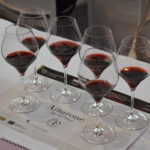
The newly released Amarone 2021 exemplifies balance, typicity, and elegance. According to the Consortium’s expert tasting panel of oenologists and professional tasters, the vintage demonstrates fully integrated sensory expression (particularly on the palate and in the retronasal phase) with excellent balance from careful appassimento management and refined aging, alongside elegant structure promising solid long-term aging potential. The 2021 growing season proved challenging, beginning with cold conditions and spring frosts, followed by drought and summer heat. Late budburst occurred after early April, with contained frost damage in limited areas. May brought heavy rains requiring vigilant downy mildew management, while flowering in early June progressed smoothly. Mid-August veraison arrived later than usual amid scarce rainfall and water stress, but warm, dry September conditions allowed harvest timing to realign with historical averages. The harvest delivered grapes in excellent sanitary condition with slower but high-quality ripening, featuring strong aromatic integrity, excellent phenolic maturity, and anthocyanin levels higher than 2020. A cooler-than-average autumn supported slow, gradual drying in the fruttai, resulting in optimal sugar and polyphenolic concentration and aromatic precursor development. This careful process has produced an Amarone characterized by profound balance, true-to-type expression, and exceptional aging potential, a testament to both the territory’s resilience and the technical expertise of Valpolicella’s growers in navigating difficult vintages.
Regional Identity and Classification
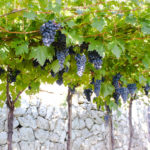
Valpolicella’s distinctiveness stems from its location between the Dolomites and Lake Garda. The Monti Lessini plateau shields vineyards from Alpine cold, while Lake Garda provides mild winters and ventilation, enabling longer growing seasons that produce concentrated wines with high acidity. The region’s traditional appassimento method (grape drying) creates its flagship Amarone wine. The four distinct styles of Valpolicella wine are unusual in that all are made from the same short list of native grapes: Corvina, Rondinella, Corvinone, and Molinara. Rarer still, all four wines are produced throughout the region. By law, Valpolicella DOC wines must be made using 45-95% Corvina. Corvinone can also substitute up to 50% of the quote for Corvina, which brings round, cherry flavors. Rondinella must comprise from 5% up to 30% of the blend, offering lush floral notes. Molinara is used these days and provides lean acidity. The resulting Valpolicella wines are bright, lively, and balanced with savory sour cherry flavors. Valpolicella DOC wines primarily rely on the Corvina grape, which must constitute 45-95% of the blend. Corvinone can replace up to half of the mandated Corvina, contributing round, characteristic cherry notes. Rondinella is essential, making up 5% to 30% of the composition, and is valued for its lush, floral aromatics. Molinara, though used less frequently now, is included for its lean acidity. The resulting Valpolicella wines are distinguished by their bright, lively, and balanced profile, showcasing savory sour cherry flavors.
The Valpolicella region, shielded from Alpine cold by the Monti Lessini plateau and enjoying mild winters and ventilation thanks to Lake Garda, benefits from long growing seasons. This climate is key to producing concentrated, highly acidic wines. The region is famous for its flagship Amarone wine, created using the traditional appassimento (grape drying) method. Unusually, all four distinct styles of Valpolicella wine are produced throughout the region using the same short list of native grapes: Corvina, Rondinella, Corvinone, and Molinara. The foundation of Valpolicella DOC wines is the Corvina grape, which must constitute 45% to 95% of the blend. Corvinone, which adds round, characteristic cherry notes, can substitute up to 50% of the required Corvina. Rondinella is essential, making up 5% to 30% of the composition and valued for its lush, floral aromatics. Molinara, though less common today, is included for its lean acidity. The resulting Valpolicella wines are bright, lively, and balanced, distinguished by savory sour cherry flavors. The region produces four wines: Amarone della Valpolicella DOCG, Valpolicella DOC, Valpolicella Ripasso DOC, and Recioto della Valpolicella DOCG. Each can originate from three territories: Valpolicella DOC, Valpolicella DOC Classico, and Valpolicella DOC Valpantena.
Experiencing Valpolicella
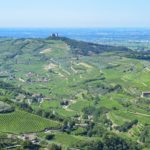
The region offers diverse attractions beyond wine. Historic villages like San Giorgio di Valpolicella showcase 12th-century Romanesque architecture, while Fumane features the preserved Maso degli Orzi rural complex. San Pietro in Cariano’s Villa Serego Alighieri serves as both a winery and a museum. Verona, a UNESCO World Heritage site, provides an ideal base for exploring. The city features the Roman Arena, Juliet’s House, and Piazza delle Erbe. Nearby Lake Garda offers water sports and scenic villages. Local cuisine includes specialties like bigoli with duck ragù and paparotte (cabbage and bean soup), perfectly complementing regional wines.
Heritage and Future
The Valpolicella community seeks UNESCO Intangible Heritage status for its appassimento tradition, not for commercial gain (as Amarone already generates over 600 million euros in revenue) but to preserve the practice for future generations. The application process has unified the community while respecting individual approaches to tradition and innovation. Visitors can experience this heritage through various accommodations, from intimate farmhouses to luxury wine resorts in converted Renaissance villas, all within 30 minutes of Verona.
My choices of Valpolicella’s producers
Below are a few notable producers that caught my eye, and palate, during this year’s Amarone Opera Prima event. They range from historic estates to new state-of-the-art wineries and small, passionate producers focused on terroir and sustainability.
Corte Figaretto – www.cortefigaretto.it
Mauro Bustaggi and his daughter Sofia form the winemaking team at Corte Figaretto, a family-run estate situated in the heart of Valpantena, one of Valpolicella’s most distinguished subzones. Located in the “Valley of all the Gods,” as Valpantena is known for its fertility and abundant natural springs, the winery has become recognized for producing elegant, terroir-driven wines. Mauro began producing wine for cooperative wineries but stopped in 2002 to focus on making his own wines, building the current cellar in 2004. Corte Figaretto’s portfolio reflects a commitment to wines that are elegant, fine, and highly drinkable while maintaining strong character. The Amarone della Valpolicella Brolo del Figaretto is celebrated for its approachable, ripe, balanced profile with notes of dark fruit and spice. The Valpolicella Superiore Alte Quare is another standout, offering impressive expression and balance. The winery’s meticulous attention to detail ensures each bottle embodies the essence of Valpantena. Their wines include Amarone della Valpolicella, Valpolicella Ripasso Acini Ameni, Valpolicella Superiore, Valpolicella Altarol, and varietals including Merlot Le More and Cabernet Sauvignon Sentoarte. These wines are celebrated for their elegance and finesse, reflecting the unique volcanic soils and biancone limestone of the region.
Cà la Bionda – www.calabionda.it
Alessandro and Nicola Castellani represent the fourth generation at Cà la Bionda, a historic family estate founded in 1902 by their great-grandfather Pietro Castellani in the heart of Valpolicella Classico. Located in Marano di Valpolicella, the winery was rebuilt in 1997 when their father Pietro reclaimed and restored the original property. Alessandro serves as winemaker while his brother Nicola, a dedicated viticulturalist, focuses on vineyard management and vine health across their 29 hectares of hillside vineyards. Cà la Bionda’s wines are faithful expressions of the Marano Valley and its limestone-rich soils. The Amarone della Valpolicella Classico is celebrated for its savory, powerful character with notes of dried fruit, dark chocolate, and subtle spice, aged for at least 36 months in large wooden barrels. The flagship Valpolicella Classico Superiore Casalvegri comes from a single vineyard of old vines and is considered among the region’s finest, offering elegant complexity with Maraschino cherry flavors and distinctive chalky minerality. The winery’s meticulous attention to traditional methods ensures each bottle embodies the essence of the region. Their wines include Valpolicella Classico, Valpolicella Ripasso Classico Superiore Malavoglia, Amarone della Valpolicella Classico Ravazzol, and Recioto della Valpolicella Classico Le Tordare. These wines are celebrated for their elegance, freshness, and nuanced character, crafted exclusively from native grapes.
Villa Della Torre – www.villadellatorre.it
Marilisa Allegrini, known as “Lady Amarone” for her decades of international promotion of Valpolicella wines, is the visionary behind Villa Della Torre. Owned by the Mastella Allegrini family since 2008, this magnificent Renaissance masterpiece in Fumane was designed by masters Giulio Romano and Michele Sanmicheli according to the model of an ancient Roman domus. The estate now serves as headquarters for the Marilisa Allegrini Group and houses both a Wine & Art Relais and the Villa Della Torre winery, which began producing wines in 2019. Villa Della Torre’s production centers on the historic Brolo, ten hectares of vineyards enclosed within the estate’s ancient walls. The Valpolicella Classico Superiore is celebrated for its fresh raspberry and spice character, made largely from Corvinone, the main variety in the blends. The Amarone della Valpolicella Classico offers a richer expression with wild black cherry aromas and mature tannins. The winery’s meticulous focus on freshness and precision ensures each bottle captures the unique character of the Brolo vineyards. Beyond Valpolicella, the estate expanded with the Peaks & Valleys project, featuring wines from across Verona’s diverse terroir including Valpolicella Classico Monte Lencisa, Lugana Selva del Vescovo, and two Soave Classico expressions. These wines are celebrated for their elegance and grace, crafted using sustainable practices that respect the biodiversity of the land.
Novaia – www.novaia.it
Cesare and Giampaolo Vaona, along with their children Cristina and Marcello, represent the fourth generation at Novaia, a historic family estate in Marano di Valpolicella. The Vaona family has occupied this magnificent 15th-century manor house since 1700, making them custodians of the property for over 300 years. Marcello leads the estate’s viticultural evolution, having converted the property to certified organic farming in 2011 (certified in 2014), while his father Giampaolo formerly served as enologist for Bolla before devoting his expertise to the family estate. Novaia’s wines express the unique character of the Marano Valley, where fog-free conditions, exceptional sunshine, and dramatic diurnal temperature shifts create an ideal environment for viticulture. The Amarone della Valpolicella Classico Corte Vaona is celebrated for its intense aromas of cherries, red fruits, and spice, with a dry, tannic, mineral finish developed through 24 months in barrels. The Valpolicella Classico maintains remarkable freshness and vibrancy from grapes grown at 250-400 meters altitude. The estate’s commitment to minimal intervention ensures each bottle captures the terroir’s essence. Their wines include Valpolicella Classico, Valpolicella Ripasso Classico, Amarone della Valpolicella Classico, Amarone Riserva Le Balze, and Recioto della Valpolicella Classico. These wines are celebrated for their elegance, concentration, and authentic expression, crafted from Corvina, Corvinone, Rondinella, and historic plantings of Oseleta using native yeasts and traditional appassimento methods.
Le Guaite di Noemi – www.leguaite.it
Noemi Pizzighella, the driving force behind Le Guaite, is a young and highly respected winemaker in Veneto. Growing up in the vineyards of Mezzane di Sotto, north of Verona, Noemi was immersed in the rich viticultural traditions of her family. Her father, Stefano Pizzighella, started a small olive oil production in 1987, making the most of the family’s olive groves. Inspired by her father’s dedication, Noemi developed a passion for winemaking as a child. Le Guaite’s portfolio includes the celebrated Amarone della Valpolicella, known for its rich, robust profile with notes of dark fruit, spice, and a velvety finish. The Valpolicella Superiore is another standout, offering a harmonious balance of red berries, herbs, and subtle oak. Noemi’s meticulous attention to detail ensures that each bottle embodies the essence of the region. Her wines include Recioto della Valpolicella, Valpolicella Ripasso, Valpolicella Superiore, Amarone della Valpolicella, and Tano IGT Rosso Veronese. These wines are celebrated for their fresh and fruity nuances, distancing themselves from the opulence of certain other Valpolicella wines.
La Collina dei Ciliegi – www.lacollinadeiciliegi.it
The charming Collina dei Ciliegi is nestled in the hills of the Valpantena territory. It is the dream of winemaker Massimo Gianolli who got his start in 2005 with a small production of grapes that would become the first Amarone produced in the small village of Erbin. Now La Collina dei Cilliegi produces 3 collections (Classic, Riserve and Emporium) that are exported to over 20 countries worldwide. They have some of the highest vineyards in Valpolicella (750m) and with their chalky soils produce wines with excellent acidity and minerality. Their modern approach includes new blends that combine traditional and international varieties. A visit to the winery takes you on a memorable journey of the land, culture and flavors of Valpantena. Their beautifully restored farmhouse Ca’ Del Moro welcomes visitors for tastings, vineyard walks and fine dining along with 6 finely refurbished rooms each named after symbolic wines of the region (Amarone, Valpolicella, Recioto, Ripasso, Garganega and Corvina).
Massimago – www.massimago.com
Hidden in the valley of Mezzane in Valpolicella is the Massimago winery which dates back to 1883. The name comes from latin meaning “maximum wellness” and that is certainly what they have created here. Current owner and winemaker Camilla Rossi Chauvenet renovated the entire estate in 2003 expanding their cellars and creating a Wine Relais with 7 elegant country-style suites, a pool, private spa and restaurant serving dishes created from ingredients grown on the property. Visitors can enjoy a variety of tasting experiences from a vineyard walk to a picnic or e-bike tour.
Tenuta Villa Bellini – www.tenutavillabellini.com
A historic producer with a château-like estate whose roots date back to the 15th century. They were the first organic certified winery in the region and pioneered wild yeast fermentation in the early 90’s which was not a favored practice at the time. Their vineyards hold an impressive amount of old vines, some already reaching 200 years old, and all of which are cultivated according to organic and biodynamic principles.
ZYME’ – www.zyme.it
Last but certainly not least is Zýmē, a state of the art winery ingeniously built on a 15th century sandstone quarry in the heart of Valpolicella Classica. The owner and winemaker, Celestino Gaspari, grew up in the fields outside of Verona and was deeply influenced by the soil and seasons. In his 20s he studied with renowned winemaker Giuseppe Quintarelli and through much hard work developed his own personal vision of the winegrower’s profession. In 1999 he was ready to build his own winery that represented a synergy between tradition and innovation, man and nature. His wines are meant to be transparent to all, so that those who drink it can “read in every sip” his connection with the land.