10 Great Wineries to Visit in Puglia
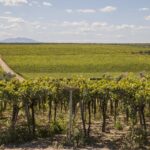
While the wineries of Puglia range from tiny family-run estates to elegant contemporary structures, a warm welcome is guaranteed wherever you choose to book for a tour and tasting. Good food and authenticity are guaranteed throughout and even if you are exploring the wineries of the inland Murge plateau, the coast with its historic fishing villages, rocky coves and waterside restaurants is never far away.
Giovanni Aiello www.giovanniaiello.it
Giovanni Aiello’s tag, ‘oenologist for love’ sums up his relationship with his work perfectly. After several years of winemaking studies and travel to gain hands-on experience, he returned home to the Valle d’Itria and bought the 8ha estate in 2021 on the proviso that he’d restore its historical winemaking activities. With 8ha of the area’s two most traditional grapes Verdeca and Primitivo, Aiello makes a range called Chakra to reflect the energy flowing from the karst land, making three versions of each variety as well as a series of one-off experimental wines. Visit the winery, perhaps help with the hand-printed labels and enjoy a tasting paired with flavoursome local produce at one of the converted barrel tables left from the building’s former life as a restaurant.
Wine to try: Chakra Essenza, Valle d’Itria Verdeca IGP
An intense and characterful Verdeca, made from grapes sourced from century-old alberello-trained vines. Since the 2024 vintage part of the grapes ferment in wood, the rest in steel, and the wine spends a whole year on the fine lees with frequent batonnage for greater complexity. It’s excellent with seafood.
Borgo Turrito www.borgoturrito.it
Luca Scapola was already an esteemed consultant winemaker when, in 2006, he returned to Puglia to take the helm at the estate run by his family since 1890. The location of the 17ha estate, with largely clay-based soils, is just south-east of Foggia at the edge of a regional park and overlooked by mountains. Nero di Troia is the principal grape grown for a series of intriguing still red versions aged in different ways, as well as the deliciously fresh and fruit-driven rosé CalaRosa, still and Traditional Method sparkling versions (see below). Try too the luscious white Moscato Passito, dedicated to Scapola’s baby son. The winery’s contemporary youthful vibe is celebrated with occasional events, concerts and DJ sets in the vineyards.
Wine to try: CalaRosa Traditional Method Rosé Brut
The crystalline salmon pink of this exquisite award-winning 24-month sparkling rosé (100% Nero di Troia) is immediately enticing while the fragrant nose and balanced elegance of the palate make it a memorable sip. It’s perfect enjoyed on its own, with cold meats and cheeses or with seafood such as fish carpaccio.
D’Araprì www.darapri.it
The attractive centre of San Severo, known as the town of the seven bell-towers, hides an astonishing network of underground chambers, many of which are being put to good use as cellars for Traditional Method sparkling wine production, largely with the local Bombino Bianco grape. D’Araprì pioneered the style in the area when, in 1979, three friends decided to start making wines to accompany their jazz sessions; the company name is a combination of their surnames and nowadays they’ve been joined by their children. A visit to the labyrinthine cellars is a must for any visit to the area and tastings can include several vintages of the Gran Cuvée, a Bombino Bianco, Pinot Nero, Montepulciano blend.
Wine to try: RN, Daunia Bombino Bianco IGP
The winery’s most classic spumante, made with the local Bombino Bianco grape which lends itself perfectly for fresh and bitey sparkling wines also thanks to the area’s microclimate and chalky soils. This 36-month Brut has a vertical acidity upheld by impressive structure that makes it ideal to pair right through a meal.
Giancarlo Ceci www.giancarloceci.com
A major player in the growth of the region’s winemaking over the past few decades, Giancarlo Ceci is the eighth generation of his family at the estate, which is located between the landmark Castel del Monte castle and the coast. He gained biodynamic certification 15 years ago and since 2020 is Carbon Footprint certified for sustainability. The 250ha farm includes olive trees, vegetables and local-breed cattle alongside the 70ha of largely local varieties of vine, such as Nero di Troia, Bombino Bianco and Bombino Nero. Visit to try the wines together with other estate produce and see the striking castle-like building which originated in the 11th century and was a monastery before the Ceci family bought it in 1819.
Wine to try: Felice Ceci, Castel del Monte Nero di Troia Riserva DOCG
Like all of Ceci’s wines, this bold Riserva displays impressive harmony, its silky tannins balanced by a fresh minerality, ripe fruit and forest floor aromas. It’s made with carefully selected grapes and spends a little more than a year in French oak barrels and two years in the bottle before release.
I Parieti www.iparieti.com
In 2018, after a career in management and marketing with high-profile wineries, Matteo Santoiemma took a step back and returned to the land and his family’s small farm. The picturesque, peaceful location, just outside Gioia del Colle and around 25km from Matera, benefits from rich reddish soil and an abundance of white stone, used for the distinctive dry stone walls and picturesque circular trulli huts, including the one where Santoiemma’s father and grandfather were born and lived. The 8ha estate has olive and fruit trees, ancient grains and almost 5ha under vine. Being new to winemaking Santoiemma continues to experiment with numerous microvinifications each year – visit to try them as well as his regular labels which include a rosé Primitivo.
Wine to try: Ceppi Sparsi, Primitivo Puglia IGP
An elegant full-bodied Primitivo cru displaying the area’s typical floral notes, from a vineyard of old vines dating from 1959 with mineral-rich red clay-based soil dotted with rock. Fermentation is partially whole-bunch and takes place in concrete while the wine is aged in steel, concrete and wood for around 14 months.
Tenute Chiaromonte www.tenutechiaromonte.com
The Tenute Chiaromonte winery in the Gioia del Colle denomination area is full of contrasts. Founded in 1826 and currently celebrating its centenary year, the 70ha estate is run by Nicola Chiaromonte who, as an equestrian pro, avoided wine altogether until he was 30. With a varied range that goes from fresh and vibrant sparkling wines through various styles to intense, complex and robust reds from ancient vines, there really is something for everyone in the cellars here. Tastings are accompanied by paired bites including home-grown veg (don’t miss the Acquaviva red onion, a Slow Food presidium) and vertical tastings can be requested; accommodation is planned for the near future at the estate’s contemporary white-themed structure where there is a constant soundtrack of classical music.
Wine to try: Muro Sant’Angelo Contrada Barbatto, Gioia del Colle DOC
An award-winning chocolatey smooth Primitivo from 70 year-old vines growing in the centre of Acquaviva delle Fonti. Despite its high abv (16.5%) this unique wine, which is aged for 12 months in steel and 24 months in wood (fourth passage), is both elegant and complex with an immediate and memorable character.
Azienda Agricola Santa Lucia https://vinisantalucia.com
Roberto Perrone Capano runs this organic wine estate with 11ha under vine at Corato, between Castel del Monte and the coast at 250m.asl on the region’s extensive Murgia plateau. While the winery itself dates from the 19th century, the land has been owned by the same family since 1628. Perrone Capone aims and succeeds in making contemporary and harmonious yet age-worthy versions of Castel del Monte Nero di Troia DOCG and other varieties. While the winery produces just a handful of labels, they also invest time and resources in experimentation with varieties including Malbec and Aleatico, and make some excellent olive oil. Visits give insights into the local grapevines and their characteristics as well as the history and philosophy of the winery, with tastings at the atmospheric farmhouse.
Wine to try: Fior di Ribes, Castel del Monte DOCG Rosato Bombino Nero
An appealing mid-rose colour wine displaying notes of raspberry, blackcurrant and wild strawberries. Bombino Nero grapes, with 10% Nero di Troia, spend around five months in steel resulting in an appealing wine that’s ideal both by the pool and at the table with platters and light dishes.
Centovignali www.centovignali.it
The Rossi family’s organic estate, named after the local tradition of hanging a ‘vignale’ or vine branch outside the front door both for luck and for some welcome shade, was founded almost 50 years ago at Sammichele di Bari. The family has recently inaugurated their new winery including a cellar built into the natural underground karst caves. This is the Gioia del Colle denomination area and while the majority of the 30ha estate is dedicated to Primitivo vines, other varieties grown, all traditional in the area, include Negroamaro, Susumaniello red grapes and Verdeca and semi-aromatic Minutolo for the whites; there are also Coratina olive trees. The excellent Gioia del Colle DOC Primitivo, Indellicato, takes its name from the 18th century abbot who first discovered the variety.
Wine to try: Susumaniello Rosato, Puglia IGP
This refreshing and elegant rosé version is a perfect example of the reason behind the dramatic upturn in popularity the the Susumaniello grape variety has experienced in recent years. Aromas of red berry fruits with delicate floral notes make it one to return to time and again.
Tenute Bradascio https://tenutebradascio.it
While Filippo Bradascio’s family has grown grapes here since the 1970s, they didn’t start making their own wines, which include Gioia del Colle DOC Primitivo and pet-nat Negroamaro rosé, until as recently as 2020. The names of their ranges are rich in cultural references, Amasis, for example, the name of an ancient ceramic artist, was chosen to underline the links between art and wine. Label designs also depict ancient masks found at the Monte Sannace archeological park a 10-minute walk away (open to the public). A large collection of the stunning archeological finds from here are on display in the castle at Gioia del Colle. Next door to the winery, the family also offer bed and breakfast accommodation and a pool at the beautifully restructured 16th century Masseria Stella.
Wine to try: Amasis, Susumaniello Puglia IGP
An intense, deeply coloured and elegant red version of Susumaniello, this wine is made in steel vats to preserve all of its luscious aromas. Aromas of coffee, chocolate and vanilla on the nose lead to notes of blueberry and blackcurrant for a memorable wine ideal with tasty cheeses and grilled meats.
Cantine Carpentiere www.cantinecarpentiere.it
Luigi Carpentiere and his brother Vincenzo started making their wines here on land inherited from their mother’s family with 90 year-old vines just a few kilometres from the striking Castel del Monte castle in 1997, returning to the work of their grandfather who had vines at Barletta, on the coast. Altogether the estate covers 18ha at an altitude of around 450-500m asl with dry, stony, limestone based soils, edged by dry stone walls and a centuries-old jazzo – the traditional stone huts used by shepherds who migrated here from the neighbouring Abruzzo region to overwinter their sheep. The characteristic jazzo is one of the draws visitors to the winery get to enjoy, another is the wonderful views enjoyed from the vineyards which stretch from Castel del Monte castle to the coast.
Wine to try: Come d’Incanto, blanc de noir
While the Carpentiere brothers decided to concentrate on red varieties, they have been making this intriguing white wine with red Nero di Troia grapes for the past 20 years. It’s a rich, well-structured and characterful wine full of ripe fruit flavours and mineral notes.