
Montepulciano’s Pieve Revolution: Ancient Parishes Meet Authentic Wine
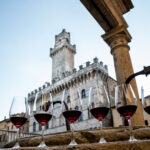
Every February, wine professionals and enthusiasts converge on Montepulciano for one of Italy’s longest-running wine events. The Anteprima di Vino Nobile, now in its 32nd year, takes place within the atmospheric walls of the Fortezza di Montepulciano, where industry insiders and dedicated collectors gather to taste the latest vintage ready for market release. This year’s Preview featured the 2023 Vino Nobile, which has completed its mandatory two-year aging period and is now cleared for commercial release. The first day focused on the 2023 vintage alongside the 2022 Riserva and the region’s two DOC wines, Rosso di Montepulciano and Vin Santo di Montepulciano. The second day was dedicated to the Pieve wines, allowing attendees to explore these distinctive parish-designated bottlings in depth. But there’s something more significant happening beyond the annual tasting ritual. The Pieve classification system has moved from concept to market reality. Wines from the 2021 vintage bearing specific parish designations now sit on retail shelves and restaurant lists worldwide. This isn’t just another wine category. Montepulciano looked backward to its medieval past to create a modern terroir system, dividing the appellation into twelve zones based on ancient parish boundaries. These weren’t arbitrary administrative lines. The Romans and Lombards organized their territories along natural geological features, watersheds, and microclimates. Turns out the ancients understood terroir before we had a word for it.
How the Pieve System Actually Works

The rules are straightforward but demanding. Your wine needs at least 100% Sangiovese from estate vineyards within a single parish zone. You must grow it, make it, and bottle it yourself with a minimum of 36 months aging. No buying fruit from across town and slapping a Pieve label on it. The Consortium reviews every submission through their technical commission before you get certified. This matters because it creates real accountability. When a bottle says Pieve di Gracciano or Pieve di Valiano, you know exactly where those grapes grew and who made the wine. For buyers trying to differentiate within the broader Vino Nobile category, this specificity helps. Industry analysts are projecting retail prices from 40 to 70 euros for most releases, with reserve bottlings pushing into the 70 to 100+ euro range. The Consortium didn’t just create the system and walk away. They’ve produced a web series profiling each Pieve, explaining what makes that particular zone distinctive. It’s useful content for anyone trying to understand what they’re tasting or selling. And it fits within Montepulciano’s bigger sustainability push. They became Italy’s first Equalitas-certified denomination back in May 2022, which means they’re tracking carbon footprint, water usage, and labor practices. Fifty weather stations across the territory feed data into climate adaptation planning.
The Numbers Behind the Wine
Montepulciano isn’t huge, but it’s substantial. The municipality covers 16,500 hectares, of which 2,000 are planted to vines. Within that, 1,411 hectares are registered for Vino Nobile DOCG and 587 for Rosso di Montepulciano DOC. You’ve got 82 estates bottling wine and 250 grape growers, supporting about 1,000 permanent jobs plus seasonal workers. Annual production value is around 65 million euros, but the total asset base (land, facilities, inventory) approaches 1 billion euros. Last year’s sales showed continued strength. The 2025 figures came in at 6.4 million bottles of Vino Nobile and 2.5 million bottles of Rosso. Export markets took 64.5% of production, with Germany leading at 36% and the United States at 27.5%. The organic numbers tell an interesting story. Half of domestic sales are now certified organic, and exports aren’t far behind at 34%. This isn’t fringe anymore. It’s mainstream consumer preference.
What to Expect When You Visit
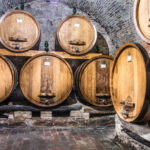
The town sits on a limestone ridge between two valleys, Val di Chiana and Val d’Orcia. Its historic center has barely changed since the 1500s. Walk through Piazza Grande, and you’ll find the 17th-century Duomo anchoring the main square. The Temple of San Biagio sits on a hill just outside town, with those classic Tuscan cypress lines framing the approach. Inside the walls, you’ve got Etruscan ruins mixed with Renaissance palazzos, churches holding significant artworks, and the Poliziano Theatre, where they still stage performances. What’s new is the Pilgrimage program. The Consortium organized hiking routes through the twelve Pieve territories, with evening wine tastings featuring wines from the zones you just walked through. It’s a clever way to connect the landscape with wine. You spend the day on foot, moving through vineyards and getting to know the terrain. Then you taste what that ground produces. The physical experience makes the sensory one more meaningful. For standard wine tourism, you’ve got plenty of options. Some estates operate out of ancient cellars beneath medieval buildings. Others built contemporary facilities that double as architectural showcases. Most require appointments for tours, though the Consortium’s enoteca in the restored Fortress offers walk-in tastings with good coverage of the appellation. Accommodation ranges from rooms on working wine estates to boutique hotels in the centro storico. People tend to visit Montepulciano multiple times, each with a different focus. First trips usually concentrate on the town itself: the art, the architecture, and getting oriented. Return visits venture into the countryside to see specific producers and understand the different parish zones. Serious enthusiasts develop relationships with particular estates and follow their wines across vintages.
Why Montepulciano Matters Now
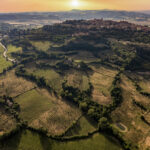
Tuscany has no shortage of attractive hill towns making good wine. Montepulciano stands out for its unusual seriousness about terroir and its transparency about what that means. The Pieve system isn’t marketing speak. It’s a genuine attempt to map how wine expresses different growing sites within a relatively compact geography. This approach creates real opportunities for trade buyers. Instead of offering generic Vino Nobile, you can talk about specific parish zones and what distinguishes them. The organic certification percentages indicate established consumer demand rather than speculative positioning. Pricing falls between Chianti Classico and Brunello, which leaves room for value arguments. And the Equalitas certification addresses buyer requirements around sustainable sourcing. For wine travelers, the appeal is slightly different but related. Montepulciano hasn’t been completely overtaken by tourism the way some Tuscan destinations have. Wine production still drives the local economy. People live and work here year-round, many in jobs connected to viticulture across multiple generations. That working foundation makes visits feel authentic rather than staged. The medieval setting helps. You can spend mornings looking at Etruscan artifacts and Renaissance frescoes, afternoons hiking through vineyards, and evenings tasting wines that come from the landscape you just walked. Each activity reinforces the others. You’re not just drinking wine or just sightseeing. You’re understanding how a place shapes what it produces and how people have worked with that place over centuries. The Pieve classification brings this into sharper focus. These twelve zones aren’t invented categories. They’re historical territories that happen to align with geological reality. When you taste wines from different Pieve side by side, you notice real differences, not subtle variations that require sommeliers to explain. The limestone composition shifts. The elevation changes. The sun exposure varies. Sangiovese responds to all of it. Three decades after starting their annual preview, Montepulciano has moved from regional producer to sophisticated appellation with a clear internal geography. The Pieve system provides the specificity that serious wine regions need. The sustainability work addresses contemporary concerns about responsible production. And the town delivers enough cultural depth that wine tourism becomes education rather than just consumption. For anyone looking past Tuscany’s greatest hits toward something with more substance, Montepulciano deserves attention.